For education and training organizations with their own LMS
LMS Integration & System Integration
For organizations that want to connect their ILIAS or Moodle LMS to other systems, data flows, and processes and integrate it reliably into their existing system landscape.
Challenges in educational operations
Many organizations already work with an LMS. Problems often arise where the system is not cleanly connected to other applications and workflows.
Separate systems instead of end-to-end workflows
Information and tasks are spread across different systems. The LMS exists but does not work cleanly together with other applications.
High manual coordination effort
Data must be transferred, information synchronized, and workflows coordinated between multiple systems, even though much of it could flow together automatically.
Missing central data flows
Participant data, course information, or organizational workflows are not consistently connected. This makes overview, maintenance, and evaluation more difficult.
Poor foundation for extensions
When an LMS is not cleanly connected, it becomes cumbersome to meaningfully add further interfaces, features, or later AI applications.
Our approach
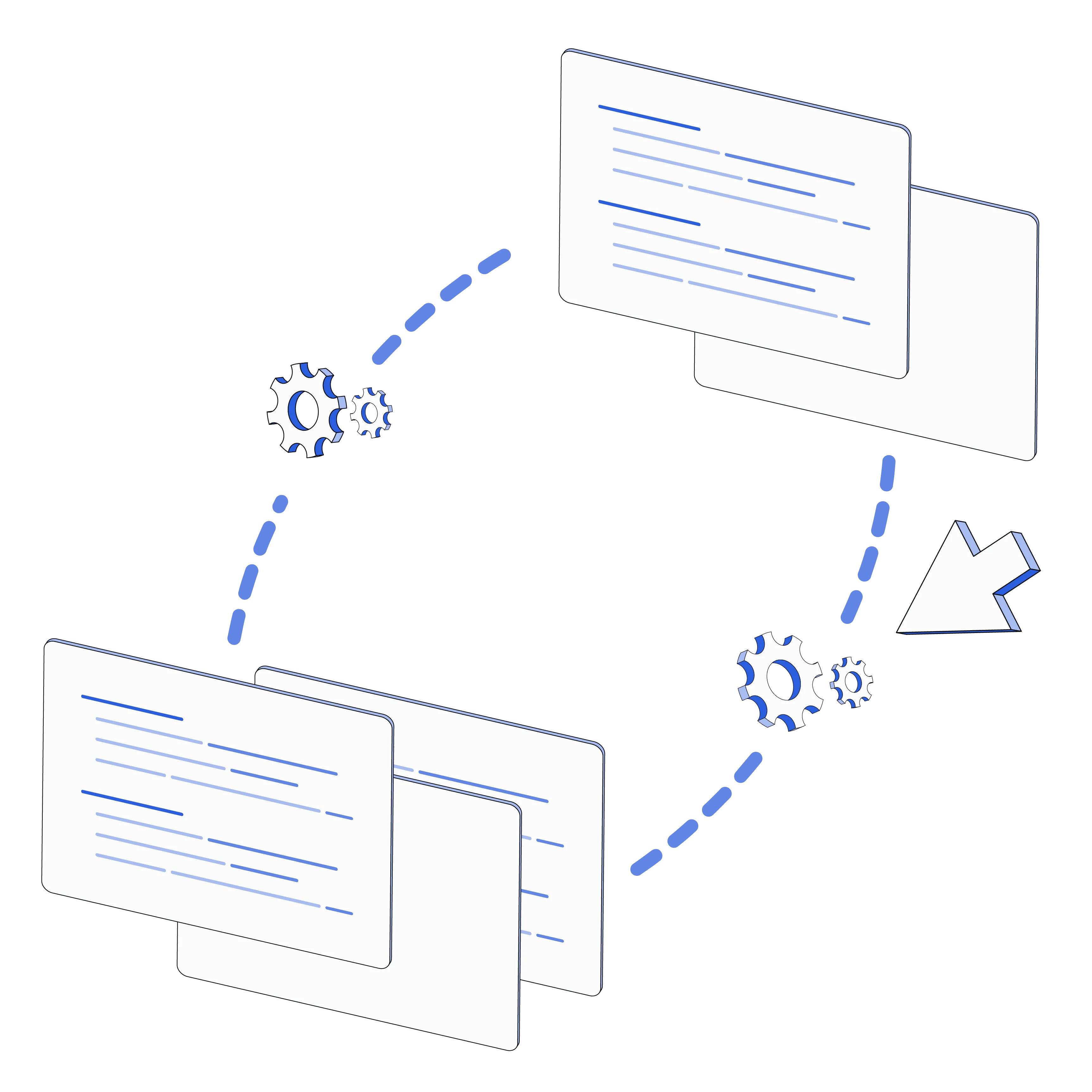
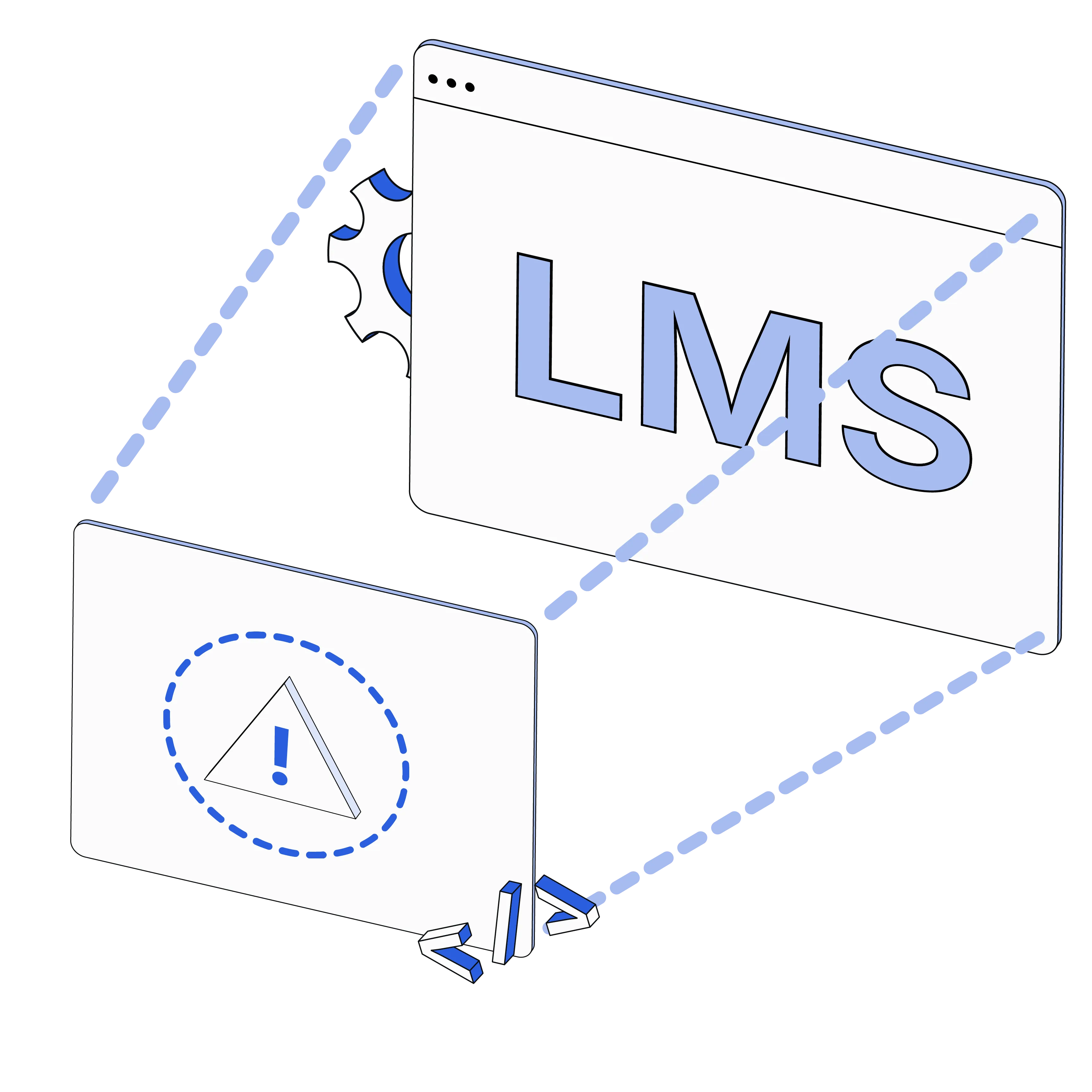
We don't view the integration only technically, but as part of your existing process and system landscape. Together we clarify which systems need to be connected, which data flows are critical, and how the LMS is meaningfully embedded. The result is a structure in which the LMS works reliably with other applications and remains open for future extensions.
The scope of services
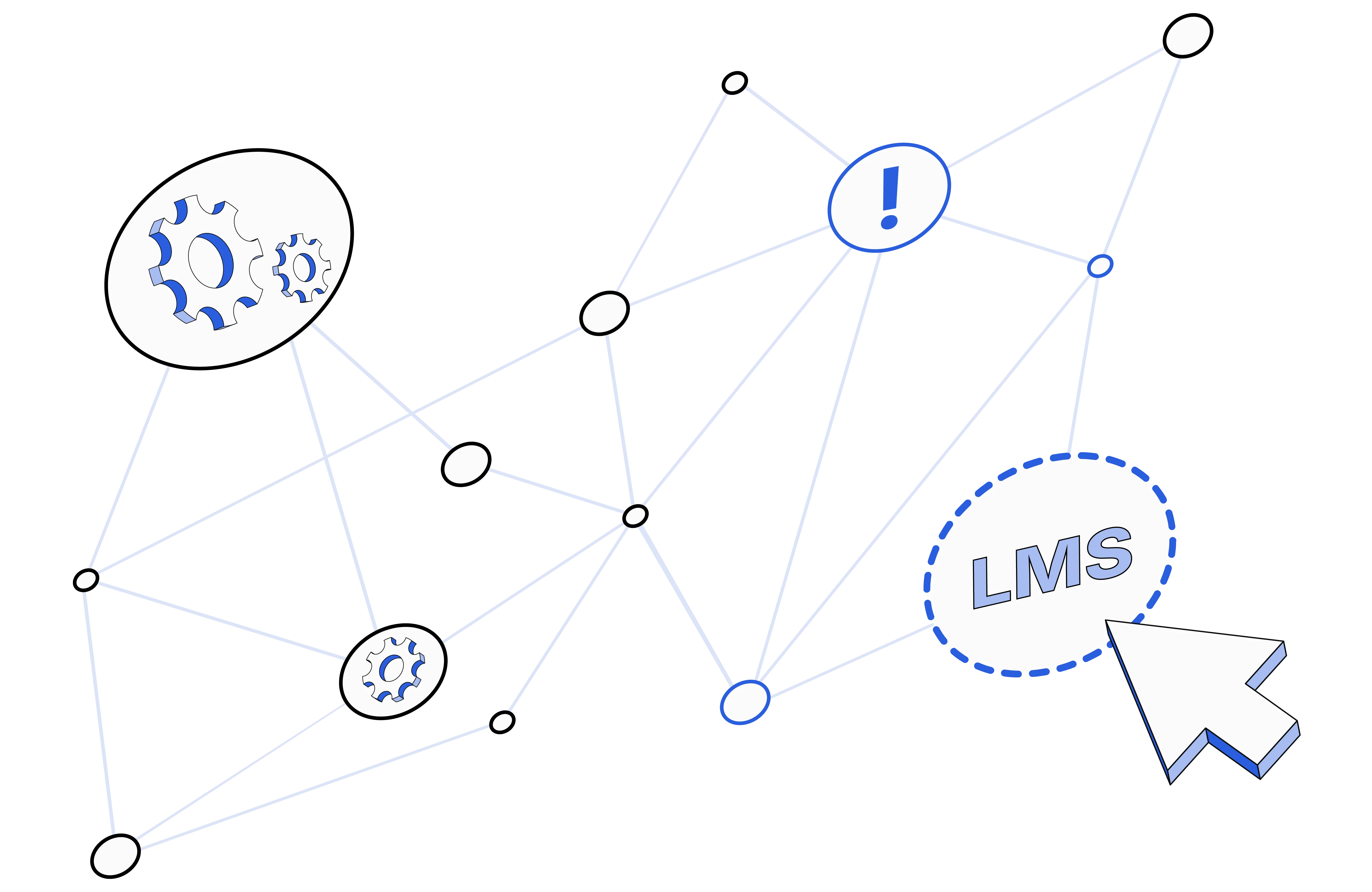
Depending on the starting situation, the system integration includes different building blocks that we plan and implement together with you.

Analysis of the system landscape
We examine which systems, data sources, and processes need to be connected to the LMS and where breaks or duplicate work currently occur.

Architecture and interfaces
We plan the integration technically clean, define data flows, and ensure that the LMS reliably works together with existing applications.

Connection to third-party systems
We connect the LMS to the relevant systems of your organization so that information, workflows, and responsibilities come together better.

Testing, rollout, and support
We accompany the implementation up to productive use, test central workflows, and ensure that the integration reliably works in everyday operations.
Your benefits
When an LMS is cleanly connected, not only the technical structure improves, but also the work in everyday operations.

Less manual data maintenance
Information no longer has to be maintained or transferred across multiple places on an ongoing basis.

Fewer sources of error
Clean data flows and aligned interfaces reduce corrections, coordination loops, and inconsistencies.

Clearer processes between systems
The LMS no longer works in isolation, but as part of a shared structure with other applications and workflows.

Better foundation for further development
A cleanly connected LMS is easier to extend, adapt to new requirements, and also prepare for future AI functions.
Our process
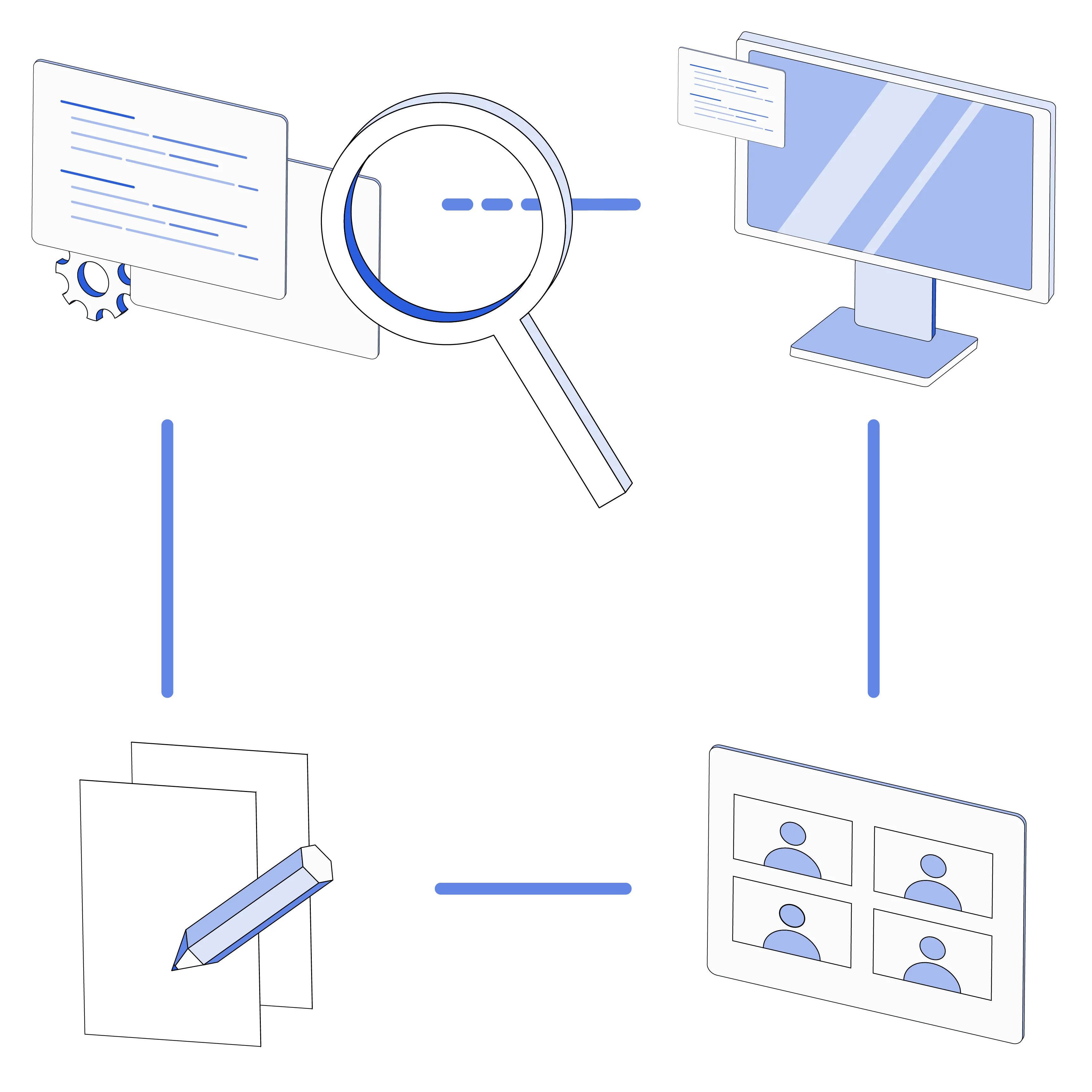
The integration follows a clear structure so that individual systems turn into a working connection in everyday use.
Capture system landscape and data flows
We analyze which systems need to be connected, which data flows between them, and where breaks or duplicate work currently occur.
Plan architecture and interfaces
We define how the LMS is technically and organizationally integrated, which interfaces are needed, and how the data flows are cleanly set up.
Secure rollout and operation
Finally, we accompany the transition into ongoing operation and ensure that the integration is used sustainably and can be further developed as needed.
Implement and test the integration
We implement the integration, connect the relevant systems, and test the critical workflows so the connections reliably work in everyday operations.
Capture system landscape and data flows
We analyze which systems need to be connected, which data flows between them, and where breaks or duplicate work currently occur.
Plan architecture and interfaces
We define how the LMS is technically and organizationally integrated, which interfaces are needed, and how the data flows are cleanly set up.
Implement and test the integration
We implement the integration, connect the relevant systems, and test the critical workflows so the connections reliably work in everyday operations.
Secure rollout and operation
Finally, we accompany the transition into ongoing operation and ensure that the integration is used sustainably and can be further developed as needed.