For education and training organizations
AI Consulting
For organizations that want to use AI meaningfully, safely, and transparently – and need clear rules, guidance, and well-founded decisions to do so.
Challenges in educational operations
AI is often already a topic before rules, responsibilities, and limits of use have been clarified. We help you classify use cases, assess risks, and create a solid foundation for decisions.
Lack of rules for usage
AI is often already used by individual employees without clear rules about which tools may be used, what they should be used for, and who is responsible. This leads to distributed use in everyday work without being organizationally structured.
Data protection, liability, and sensitive data
As soon as personal data, company data, or exam-relevant content is involved, requirements rise significantly. Many organizations face the question of how security, data protection, and a meaningful use of AI can be combined at all.
Uncertainty in educational and examination contexts
Especially in education and training, it is often unclear how AI can be used for learning support, exam preparation, certificates, or sensitive assessments without compromising quality, fairness, or transparency.
Reliability and regulatory consequences
AI can accelerate content creation but can also produce errors, misinformation, or unclear assessments. At the same time, uncertainty grows regarding the consequences of the EU AI Act and other regulations for practical use.
Our approach
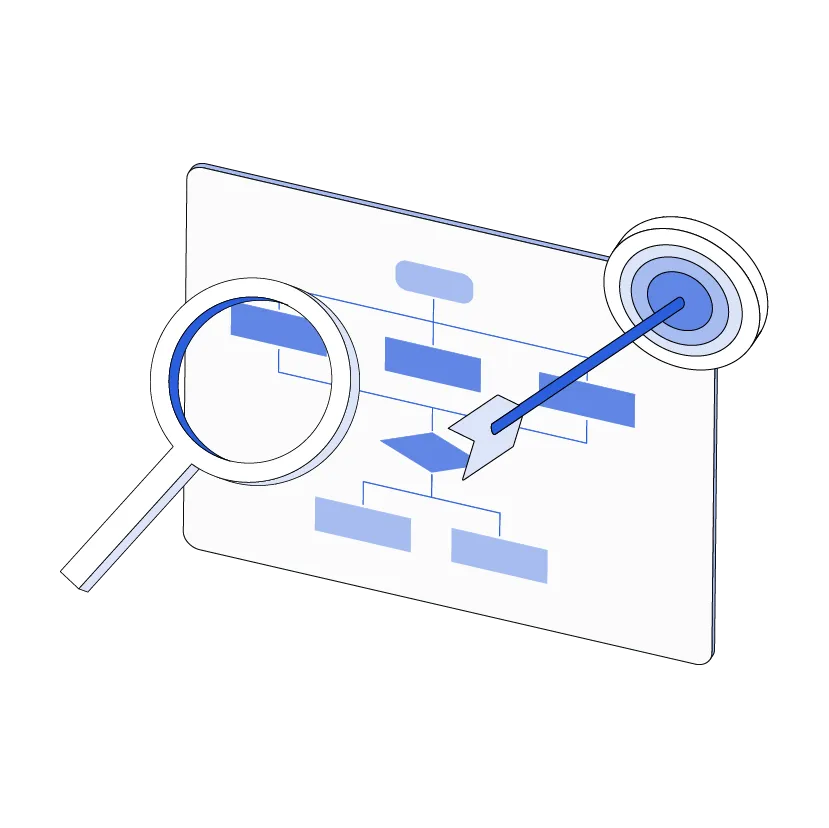
We look together at where AI is already being used, which use cases are relevant, and which questions arise from this for your organization. This creates a solid foundation for decisions and for a meaningful, safe, and transparent use of AI.
When AI consulting is particularly useful
AI consulting is especially valuable when concrete usage questions meet uncertainty, responsibility, and a lack of rules.

When AI is already being used
but it is unclear which tools may be used, what they are used for, and how usage should be regulated.

When sensitive or personal data is involved
and questions about data protection, security, and liability have not been properly clarified.

When AI is to be used in education, learning, or examinations
but it is unclear how this can be done responsibly, transparently, and in a professionally sound way.

When regulatory requirements are increasing
and it is unclear what the EU AI Act and internal guidelines mean for practical use.
Our process
The consulting process follows a clear structure so that open questions turn into concrete decisions.
Capture the starting point
We look together at where AI is already being used, which use cases are on the table, and where uncertainty currently arises regarding rules, responsibility, or data.
Classify use cases and risks
We evaluate which areas of use make sense, where special care is needed, and which questions regarding data protection, liability, reliability, or regulation must be considered.
Define recommendations and next steps
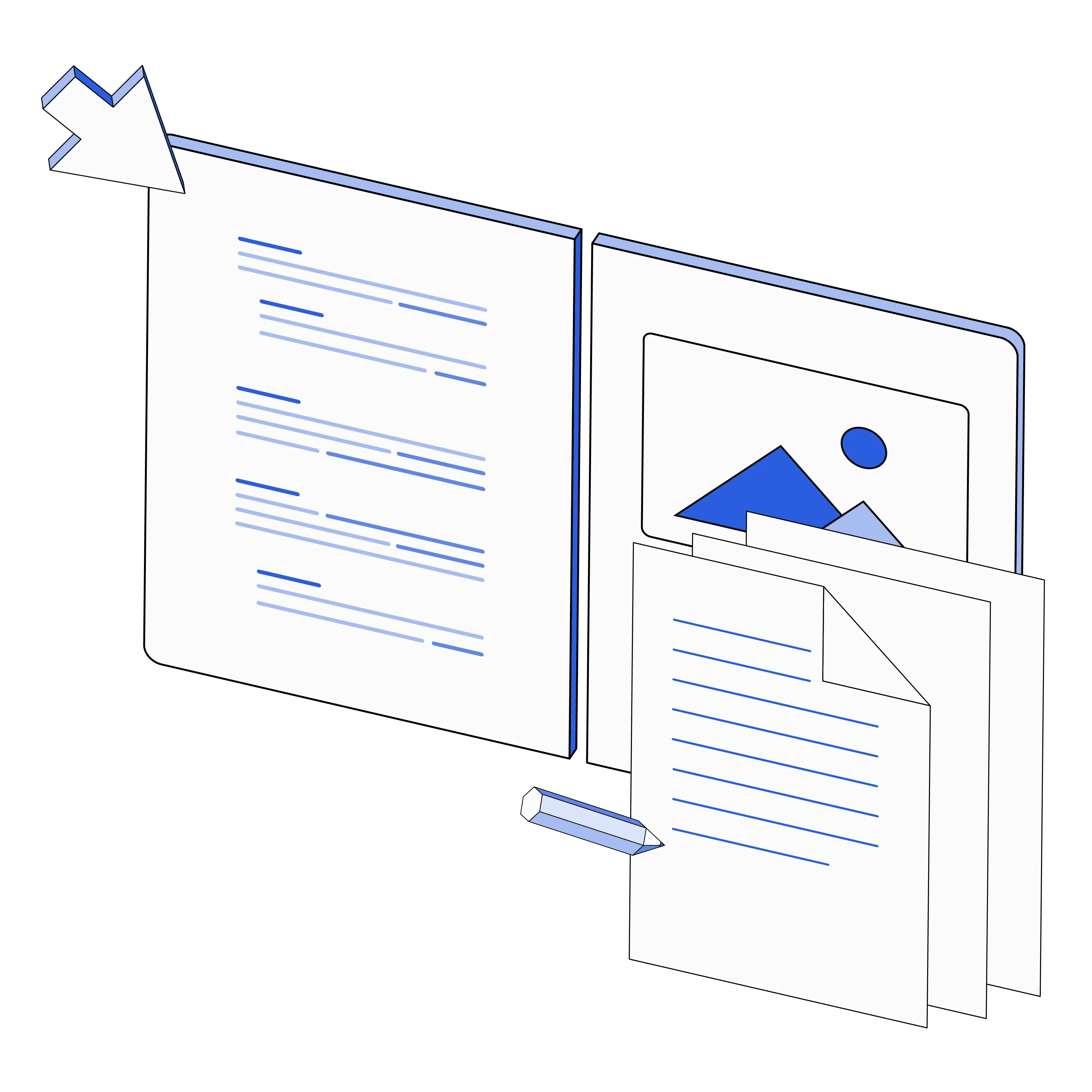
The result is classified use cases, clear guidelines, and a solid foundation for further decisions – for example, for learning environments, examination processes, or organizational workflows.
Develop guidelines and orientation
Building on this, a clear foundation emerges for how AI should be used in your organization, which rules apply, and which use cases should be pursued further.
Capture the starting point
We look together at where AI is already being used, which use cases are on the table, and where uncertainty currently arises regarding rules, responsibility, or data.
Classify use cases and risks
We evaluate which areas of use make sense, where special care is needed, and which questions regarding data protection, liability, reliability, or regulation must be considered.
Develop guidelines and orientation
Building on this, a clear foundation emerges for how AI should be used in your organization, which rules apply, and which use cases should be pursued further.
Define recommendations and next steps
The result is classified use cases, clear guidelines, and a solid foundation for further decisions – for example, for learning environments, examination processes, or organizational workflows.
From consulting to implementation
Concrete next steps can emerge from the consulting, which we also continue technically if needed. From the classification, a concrete further development of learning environments, platforms, or existing systems can emerge.